Recently diagnosed
The first weeks bring more questions than answers. We help you understand what the diagnosis does and does not mean, and what to ask at your next appointment.
Where to startBrugada Syndrome The Silent Killer
 1
Learn what the condition is and how it affects the heart's electrical system.
Read more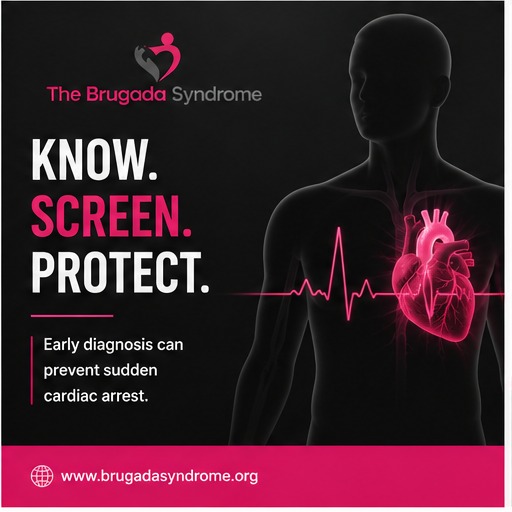 2
Why it runs in families, and why screening close relatives matters so much.
Read more 3
Awareness sessions, community events and support for families.
Read more4
Speak with our team about support for you or someone in your family.
Read moreWho we are
The Brugada Syndrome Foundation CIC is dedicated to increasing awareness, supporting people affected by Brugada syndrome, and helping individuals and families access clear, useful information.
We work alongside medical services rather than in place of them, and everything we publish is written in plain language for people who have just been told something frightening and need to understand it.
Understand the condition
Clear and accessible information can help individuals and families better understand Brugada syndrome, possible warning signs, diagnosis and management.
Brugada syndrome is an inherited heart rhythm condition. The heart is usually formed perfectly normally, scans come back clear, but the electrical signals that coordinate each beat can become unstable.
Most people with Brugada syndrome have no symptoms at all, and it is often found through family screening. Where symptoms do appear they are easily mistaken for something more ordinary, which is why they are so often missed.
Diagnosis rests on a distinctive pattern seen on an electrocardiogram, together with a specialist assessment of symptoms and family history. The difficulty is that the pattern is not always present, it can come and go.
There is no cure at present, but the condition is managed very effectively. With accurate diagnosis and the right specialist care, the great majority of people who have it live long and entirely ordinary lives.
Who we help
The first weeks bring more questions than answers. We help you understand what the diagnosis does and does not mean, and what to ask at your next appointment.
Where to startWhen one person is diagnosed, the whole family is affected. We explain how screening works and support relatives through the wait for results.
How screening worksA sudden death without explanation leaves grief and unanswered questions together. We help families understand what happened and what it may mean for those who remain.
Find supportOur work
We work alongside medical services rather than in place of them, supporting families who live with this diagnosis and improving public understanding of a condition that is still too often missed.
Educational resources, awareness sessions and community activities to improve understanding.
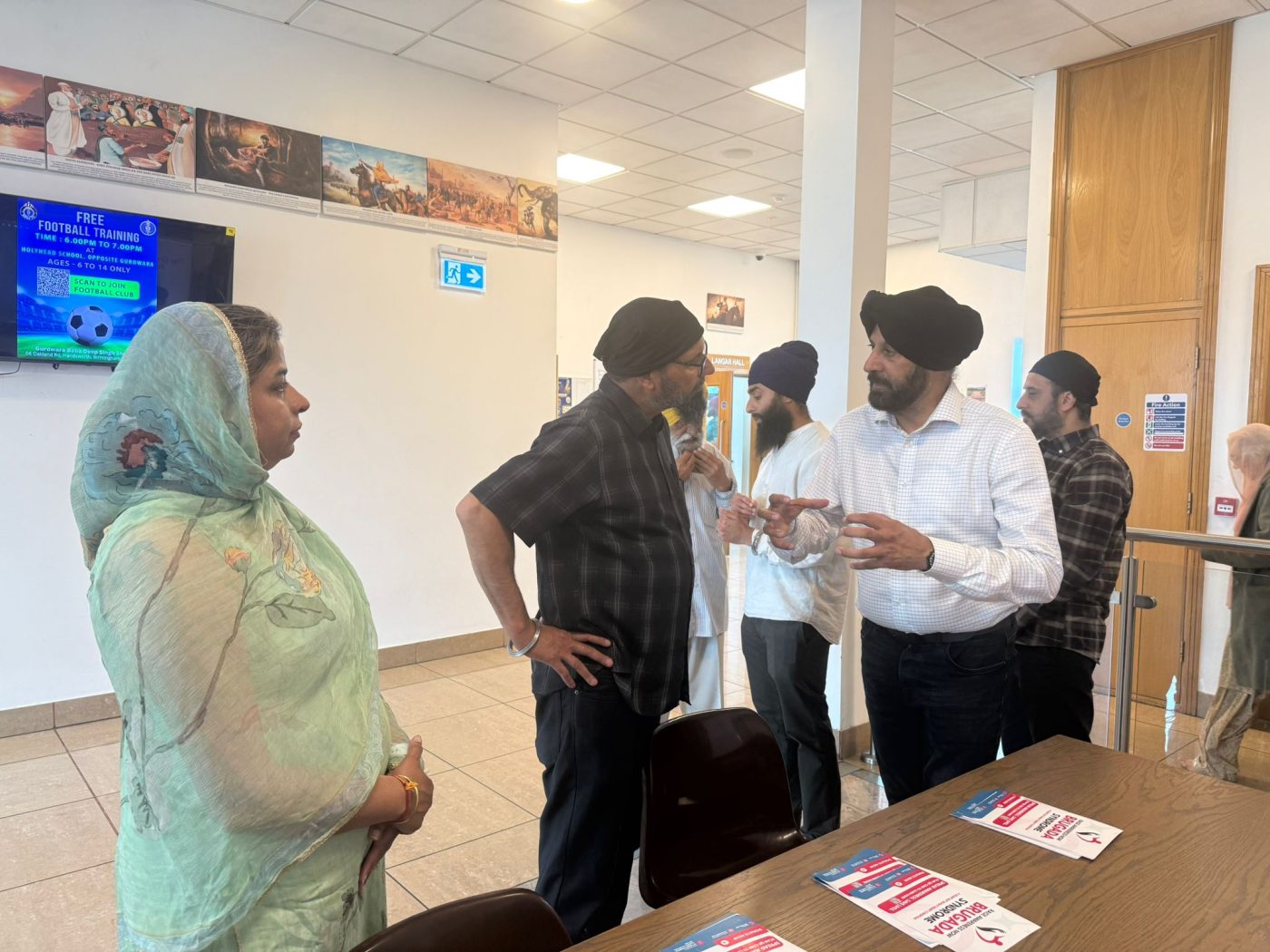
Talks in gurdwaras, community centres, schools and workplaces, so more people recognise the warning signs early.
Information, guidance and compassionate support for people affected by Brugada syndrome.
Encouraging timely assessment, because early identification is the most effective protection.
Connecting patients with research and registries that improve how individual risk is assessed.
Ensuring people living with Brugada syndrome help shape the services that affect them.
Whether you have recently been diagnosed, are waiting to be screened, or have lost someone and are seeking answers, we would be glad to hear from you.
Support our work
Every donation funds awareness sessions, family support and the materials we give away free. We are a community interest company, so what you give goes straight back into the work.
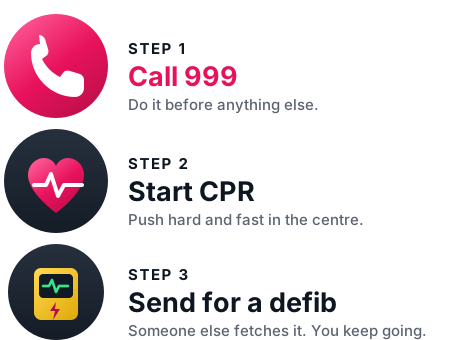
If a person collapses and is not breathing normally, call your local emergency number immediately, begin CPR, and send someone for the nearest defibrillator.