1
Clear information
Plain-English guidance on the condition, its symptoms, how it is diagnosed and how it is managed day to day.
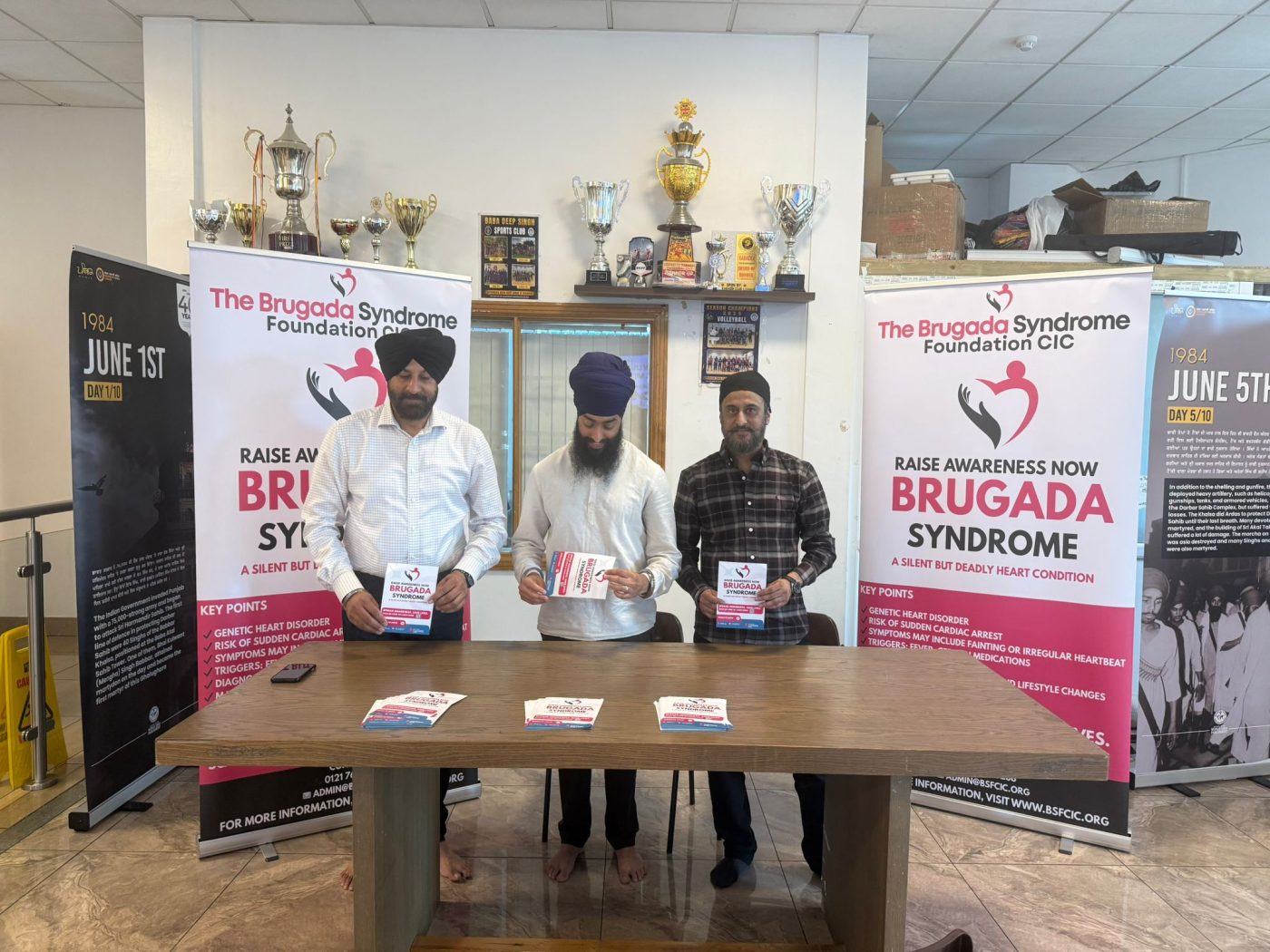
The Brugada Syndrome Foundation CIC exists to raise awareness, support individuals and families, and help communities access clear and responsible information about Brugada syndrome.
Our story
Because we lived it ourselves.
Our journey began when our brother suffered a cardiac arrest. By God’s grace, he survived. But in those frightening moments, everything came down to seconds.
As a medic, Kulwant Singh Uppal knew how critical CPR could be. As his brother, I was terrified. I asked my wife to call the ambulance while I began CPR. It was difficult to wear two hats at once, brother and medic, but there was no time to think about anything else. The clock was ticking and every second mattered.
That experience changed us.
It showed us, in the most personal and powerful way, how important it is for an ordinary person to recognise cardiac arrest, know how to perform CPR, and act without hesitation while waiting for emergency help.
The Foundation was born from that experience, with a simple purpose: to help give others the knowledge and confidence to act when every second counts.
We are a community interest company registered in England, company number 16117565.
How we work
Everything we publish is written in plain language for people who have just been told something frightening and need to understand it. Where a question needs a clinician, we say so and help people reach one.
Plain-English guidance on the condition, its symptoms, how it is diagnosed and how it is managed day to day.
We work with community organisations, faith centres, schools and employers, because awareness travels best through places people already trust.
We publish only what is supported by current clinical understanding, and we say plainly when something is not yet known.
Who we work with
Families living with a diagnosis. People waiting for screening results. Bereaved relatives seeking answers. Community organisations, faith centres, schools, employers and healthcare professionals.
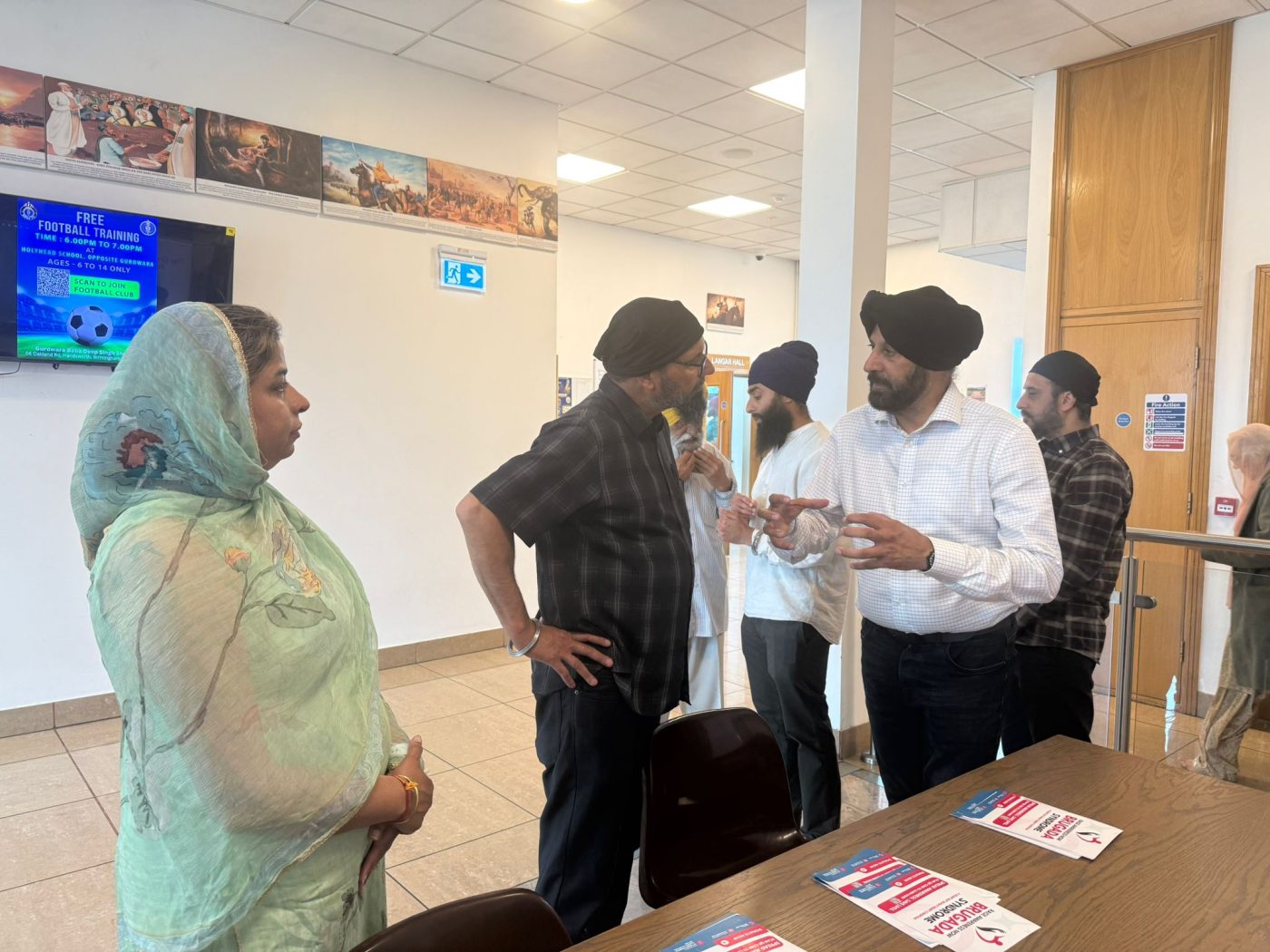
We are always glad to hear from community organisations, clinicians and volunteers who want to help more people recognise the signs.
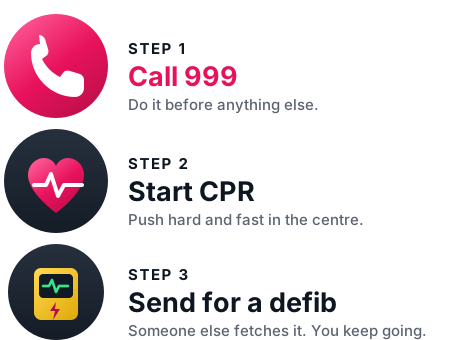
If a person collapses and is not breathing normally, call your local emergency number immediately, begin CPR, and send someone for the nearest defibrillator.